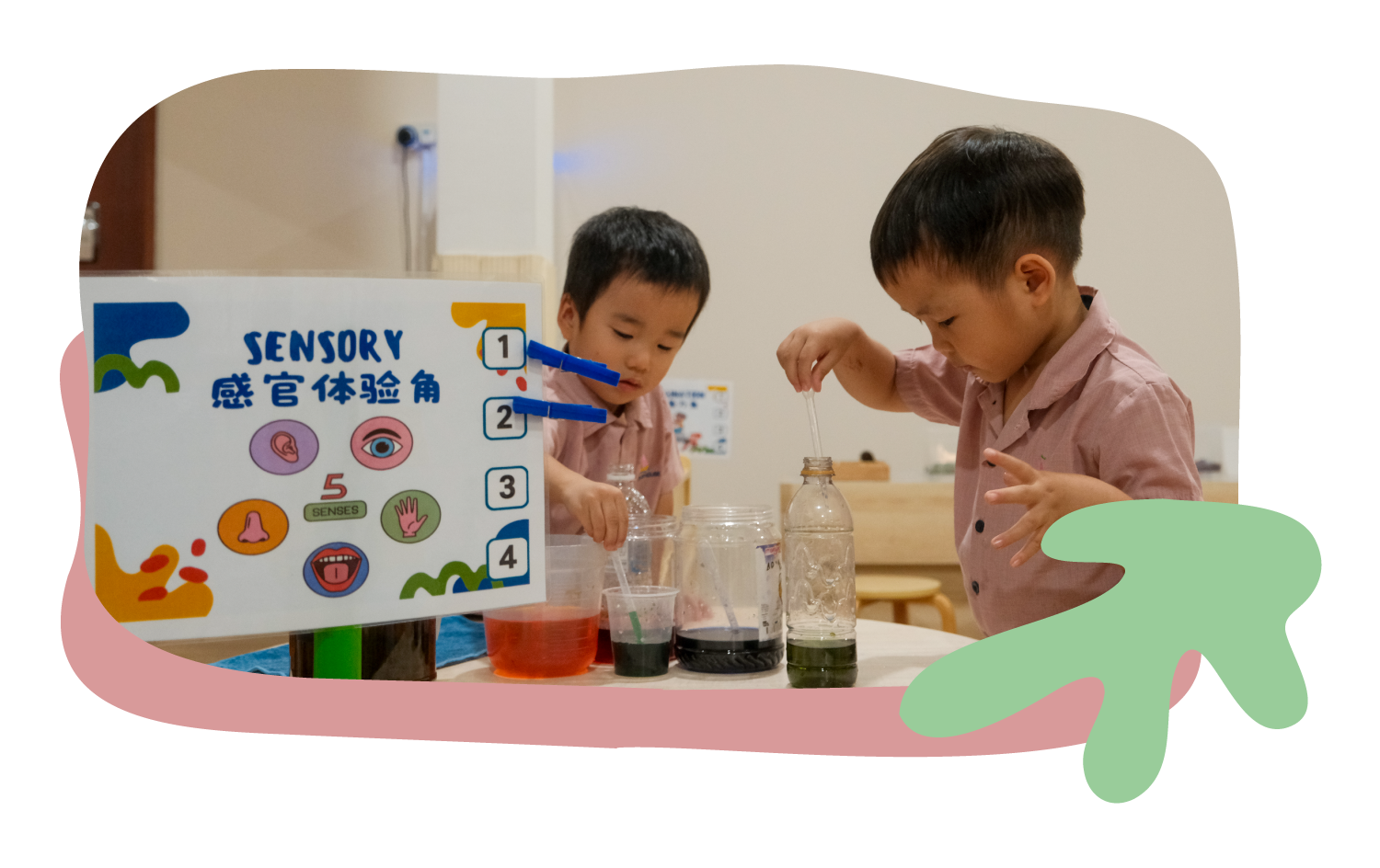
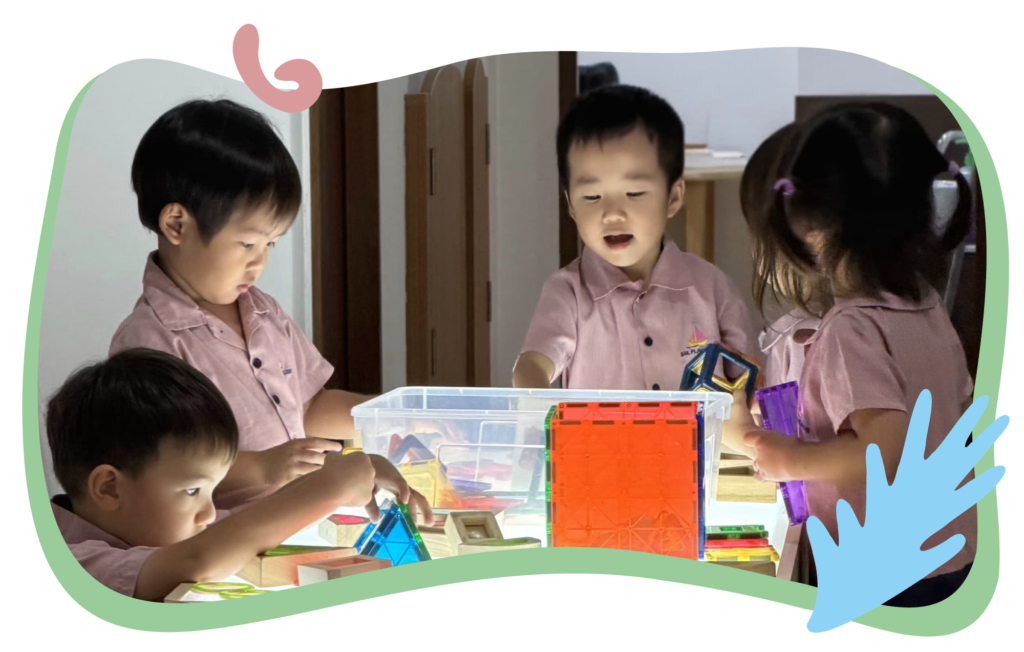
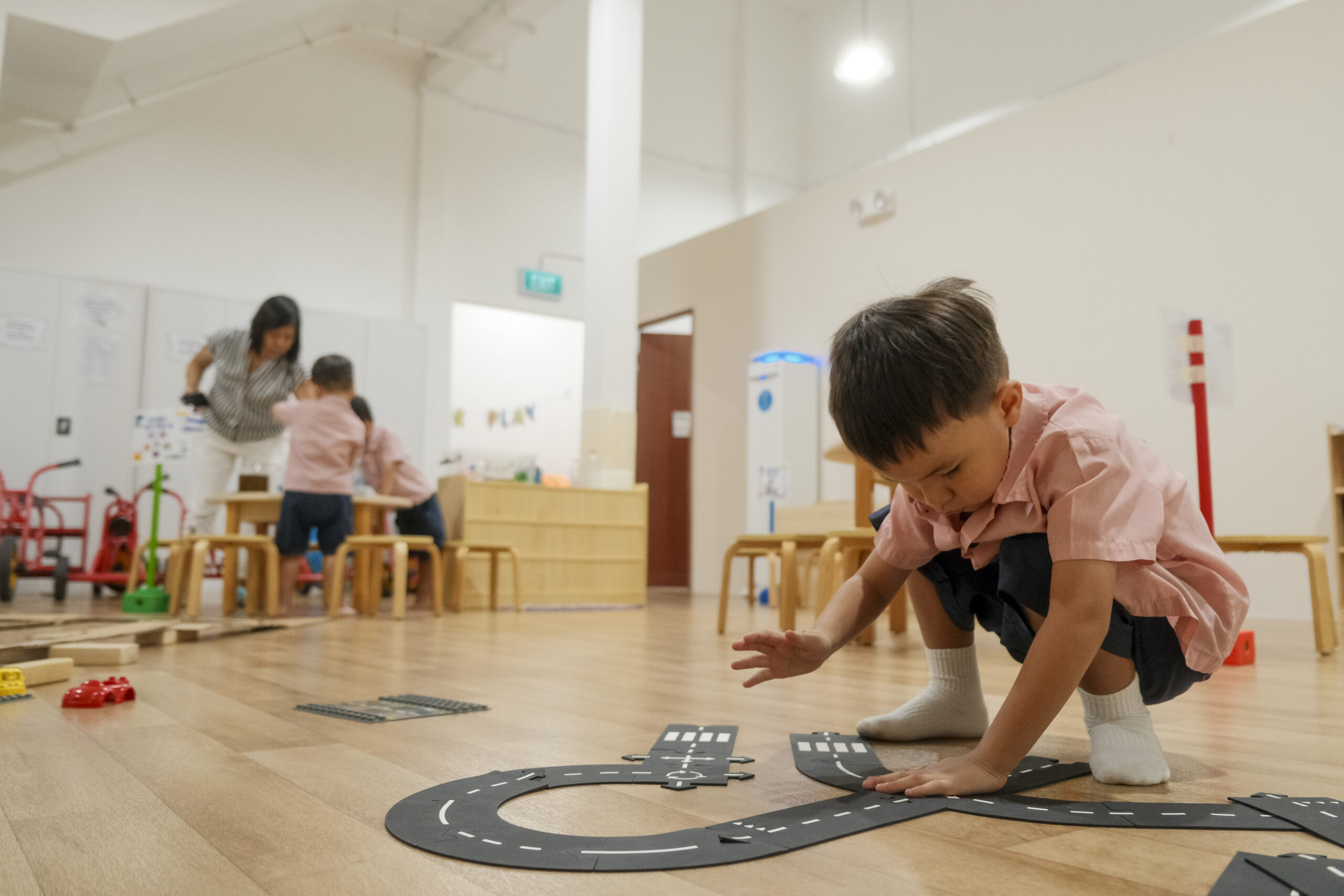
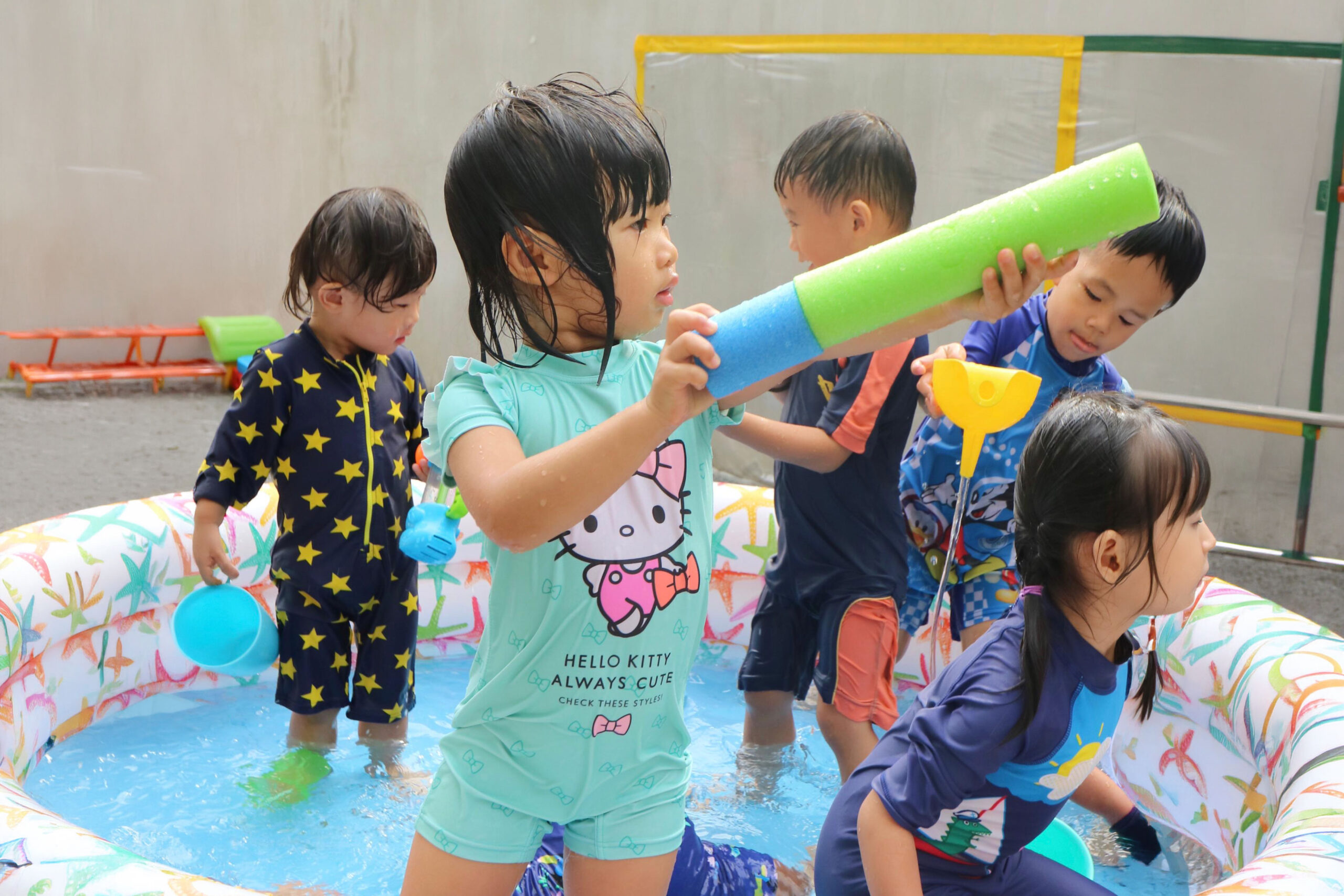
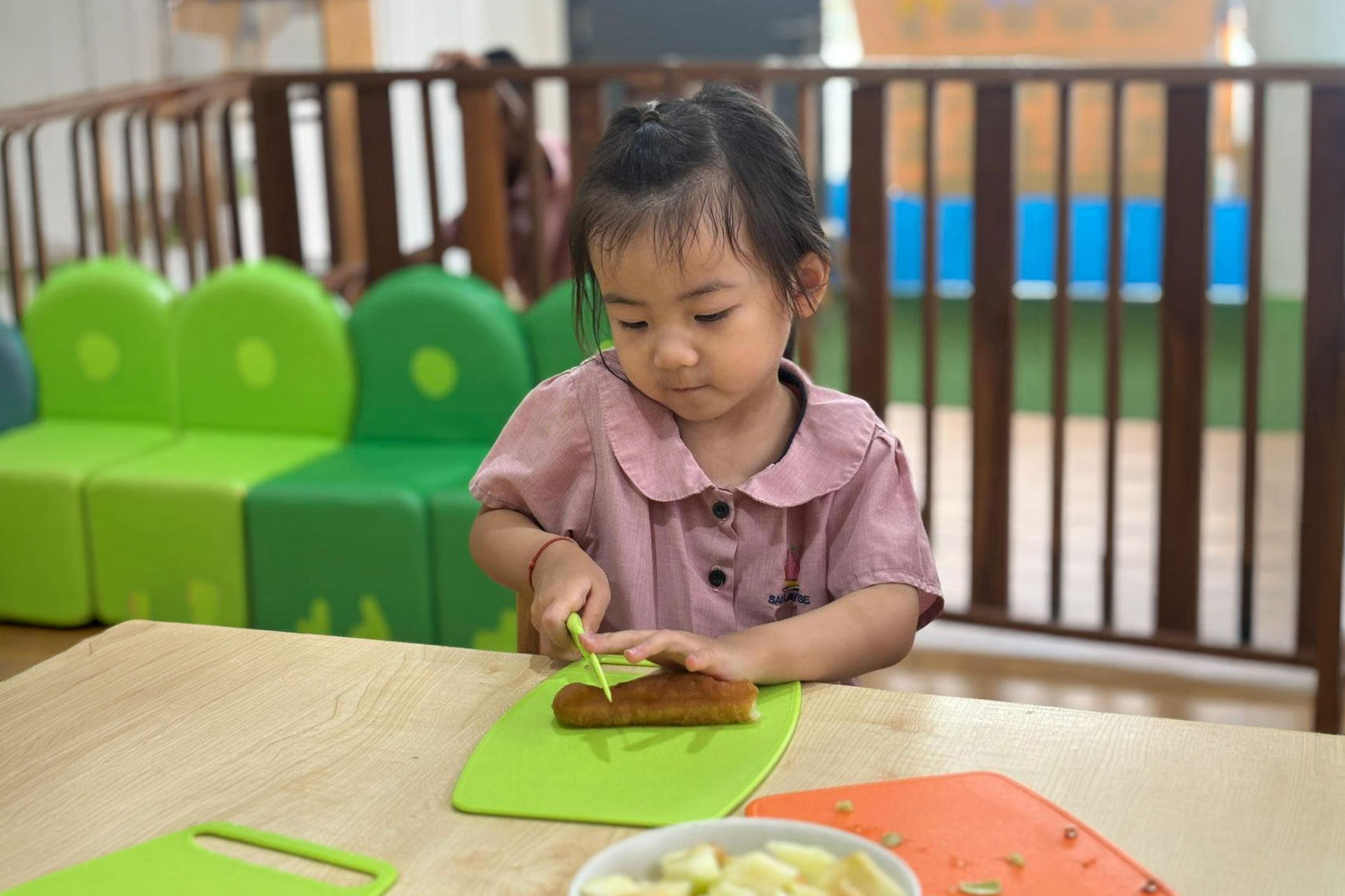
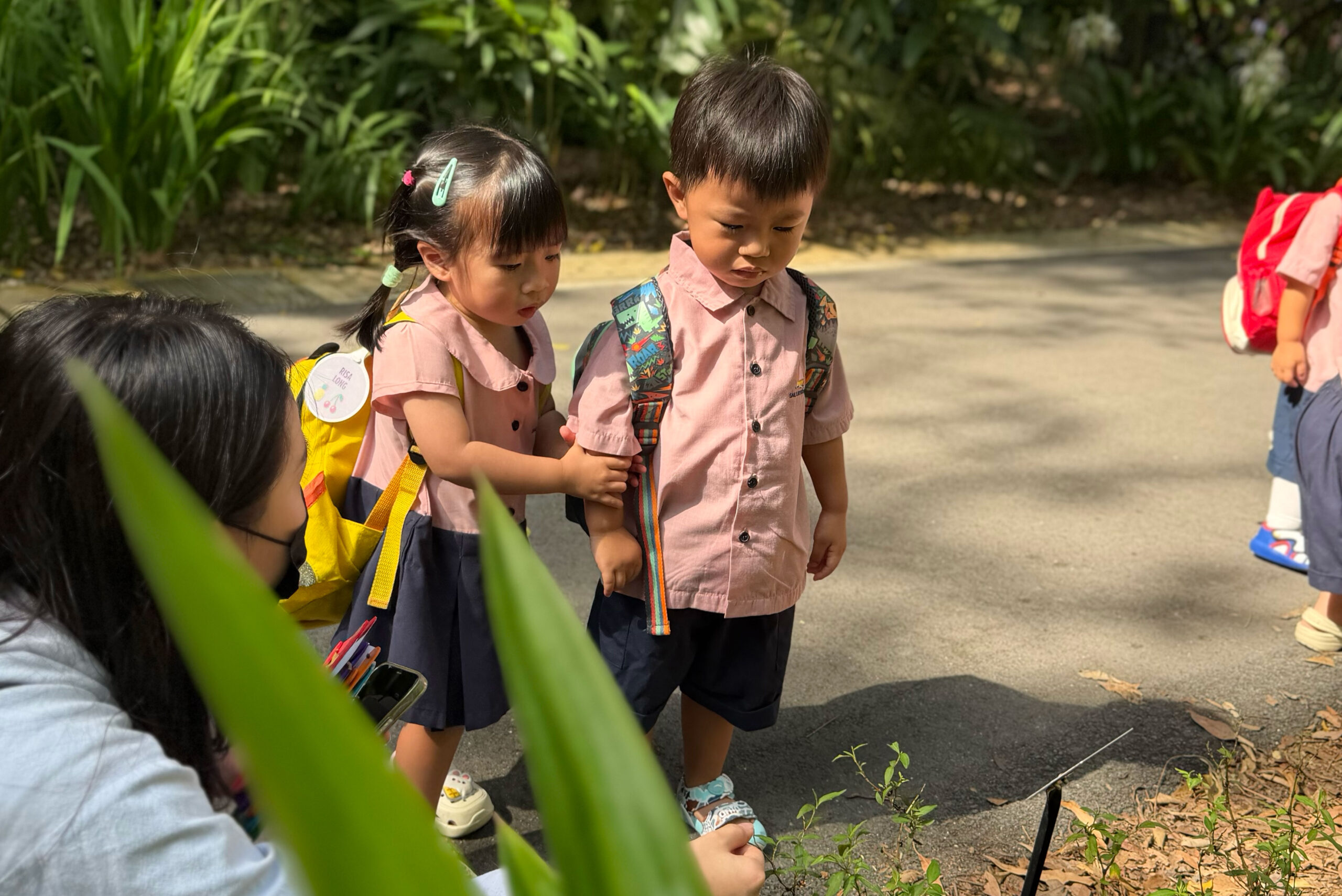
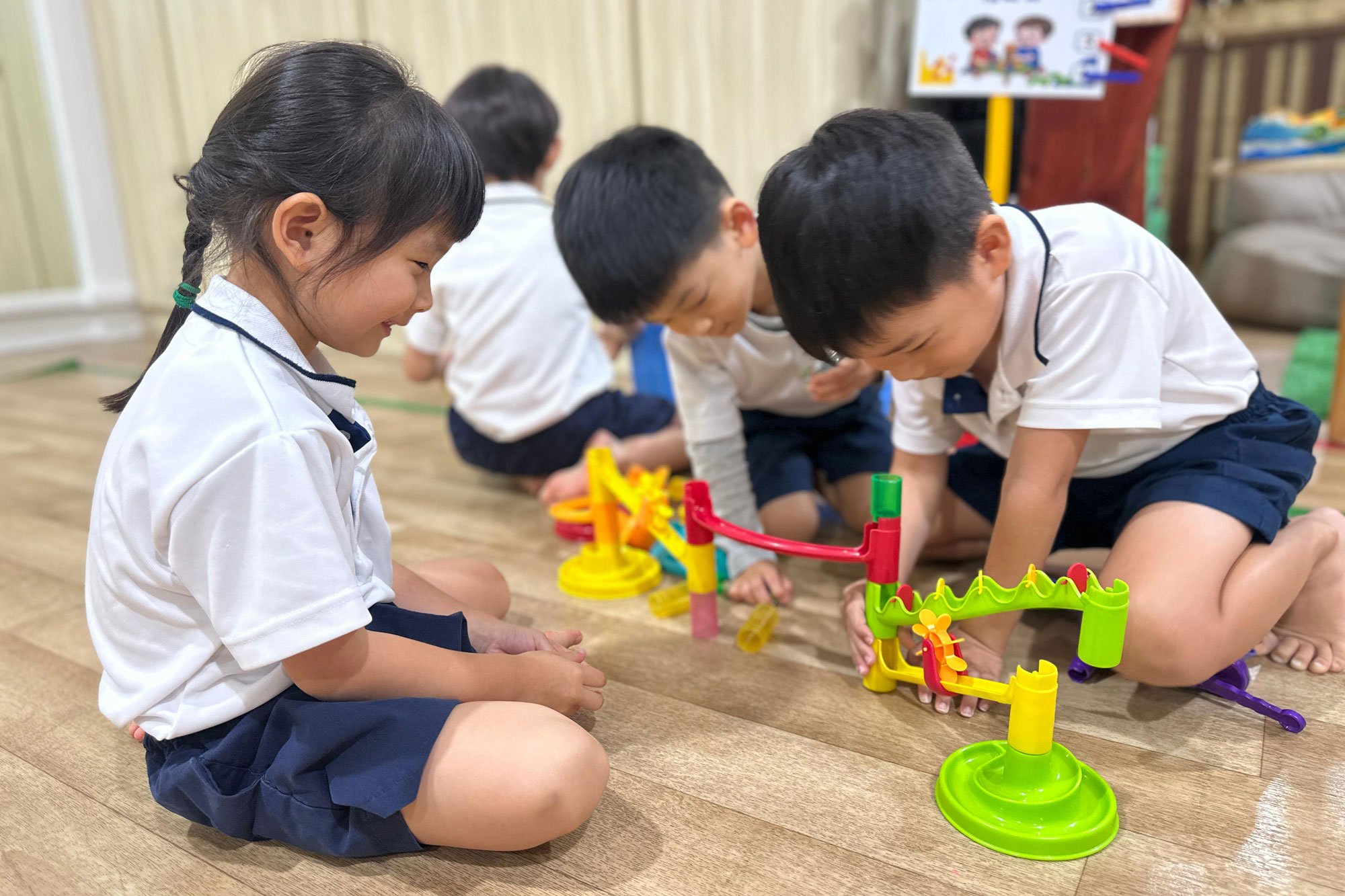
Learning that adapts to your child – Not the other way round See our daily schedule Why one size-fits-all doesn't work Same pace for all children Every child develops differently, yet traditional curricula force everyone through identical milestones at the same speed. Limited learning styles accomodated Visual, kinesthetic, auditory learners all forced into one teaching method that works for some but not all. Focus on academics over life skills Reading and math matter, but what about resilience, empathy, and emotional regulation? Special needs kids separated or left behind Children who need extra support are segregated, missing crucial social learning opportunities How the SAIL curriculum works Holistic Development Nurturing the whole child – head, heart and hands: Play-based LearningCreative Self ExpressionCharacter buildingExecutive FunctioningSports and wellness Personalised Learning Grounded in the work of Howard Gardner’s Theory of Multiple Intelligences and principles of Universal Design for Learning (UDL)Individual learner profilesMultiple pathways for learning inclusive and responsive environmentsEmbedded skill development in everyday experiencesResponsive scaffolding by educatorsCollaborative partnership with parents Future-Ready Skills Knowledge Future-Ready Skills and Knowledge Knowledge gets them through school. Skills get them through life. Resilience and emotional regulation Problem-solving and innovation Building positive relationships Risk-taking and growth mindset A typical day at SAIL Morning 7am to 12pm Arrival & sharing circleOutdoor explorationPlay-based LearningLearning CentresJunior Chef / Swimming Afternoon 12pm to 3pm Lunch (culturally diverse menu)Rest/quiet timeBilingual Story Circle Late Afternoon 3pm to 7pm Bilingual literacy and writing programme360º Play StudioInterest CentresMusic and Movement / Sports-based Enrichment Why inclusive education works “Research shows that children in inclusive settings perform as well or BETTER academically and socially than those in regular schools.” Better perspective-taking and understanding of different viewpoints Higher empathy and social awareness in diverse settings Improved academic outcomes for ALL student in the classroom Stronger emotional regulation and self control Better perspective-taking and understanding of different viewpoints Source: Research on inclusive education outcomes (multiple studies) What does a day at SAIL look like? 360º Play Studio Water play sessions are always a hit Cooking teaches math, science and life skills Outdoor Exploration Creating art with natural materials Sharing circle builds communication skills